
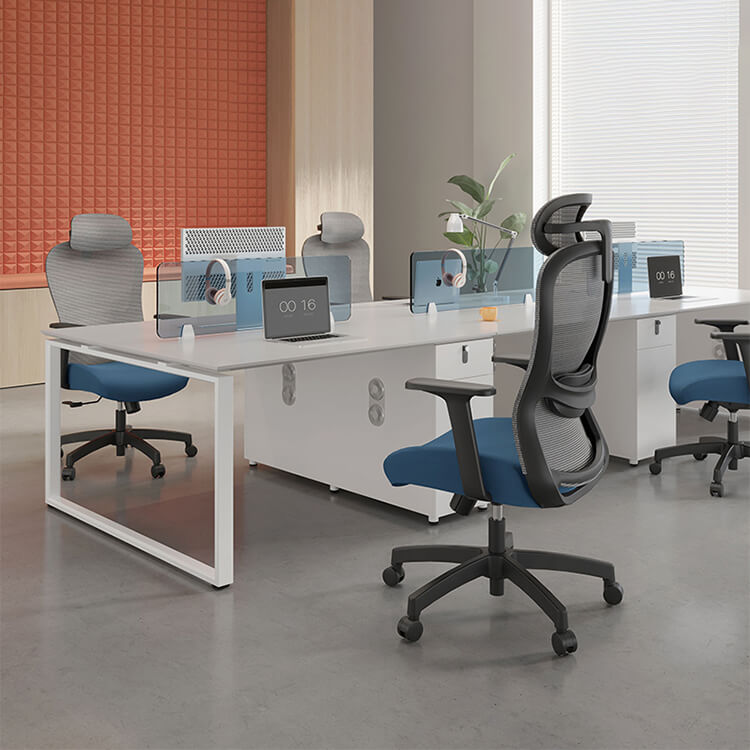
How to Choose a High-Quality Ergonomic Chair Manufacturer: Analysis of Five Evaluation Criteria
In an era where employee health and work efficiency are prioritized, selecting a reliable ergonomic chair manufacturer is crucial. The following five evaluation criteria will help you quickly screen out high-quality partners from numerous suppliers.
1. Production Qualifications and Industry Certifications
Premium ergonomic chair manufacturers typically hold ISO 9001 (quality management system) and ISO 14001 (environmental management system) certifications, as well as national/international ergonomic test standards (e.g., ANSI/BIFMA, GB/T 33210). These qualifications demonstrate the manufacturer’s reliability in production processes, raw material management, and environmental safety.
2. Material Selection and Craftsmanship Level
When evaluating manufacturers, focus on:
Fabric/Mesh: Breathability, wear resistance, and environmental protection grade (E0/E1 panels, non-toxic PU leather).
Frame Components: Materials of the skeleton, gas lift, and hardware (high-quality carbon steel, aluminum alloy, or polymer alloys).
Top manufacturers adopt advanced technologies like CNC cutting, laser welding, and electrostatic spraying to ensure product durability.
3. Adjustment Functions and Ergonomic Design
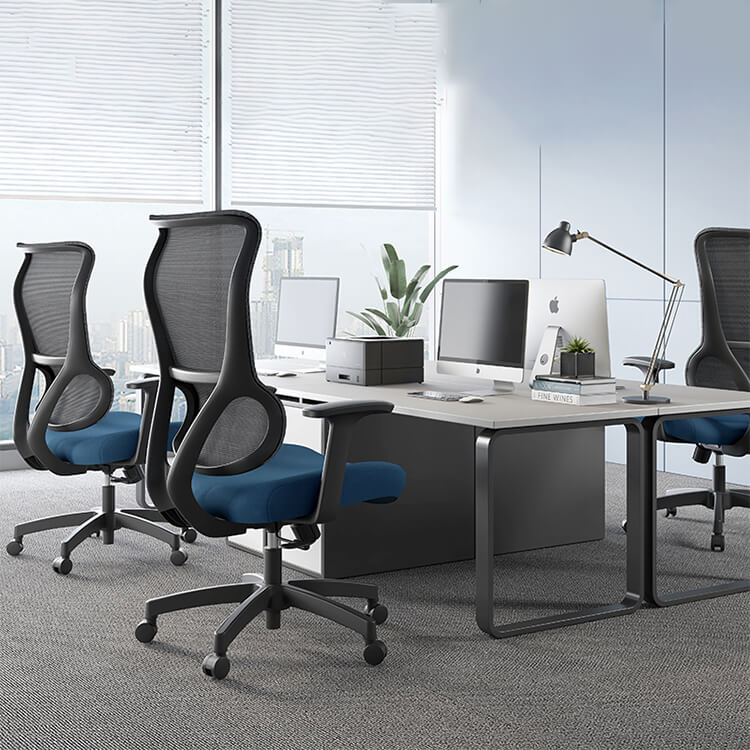
Genuine ergonomic chair manufacturers integrate a “people-oriented” philosophy throughout the design process. Verify if functions such as seat height, armrest height, backrest tilt angle, lumbar support, and headrest adjustment are fully adjustable. Modular customization options should also be available to meet needs of different heights, body types, and work scenarios.
4. Production Capacity and Delivery Cycle
An excellent manufacturer must have annual production scale, self-owned factories, and a sound production scheduling system (e.g., ERP/MES). During factory visits, inspect production lines, work-in-progress inventory, and testing workshops to understand peak-season capacity and delivery cycles—ensuring timely product receipt to avoid project delays.
5. After-Sales Service and Warranty Policies
High-quality manufacturers not only strictly control quality before delivery but also provide considerate after-sales support, including:
Warranty period (typically 2–5 years).
Replacement policies for vulnerable parts.
Nationwide warranty networks and response times (e.g., 48-hour on-site service or spare parts delivery).
A comprehensive after-sales system ensures prompt support and extends product life.
6. Conclusion
By comprehensively evaluating production qualifications, material craftsmanship, ergonomic functions, production capacity, and after-sales service, you can quickly identify reliable ergonomic chair manufacturers. Rational selection and in-depth cooperation will not only provide employees with healthy, comfortable sitting experiences but also enhance corporate image and work efficiency for a win-win outcome. Choose Ekintop Furniture for tailored solutions that prioritize ergonomics and quality.
<!–
<!–
–>
Source reference: www.kintopfurniture.com.
Read more in Furniture News.
